Thursday, May 1, 2014

Food for kidney patients

In kidney disease, special attention must be paid to diet. Proper diet can significantly slow down the deterioration of kidney disease and the start of hemodialysis.

People who have kidney disease should not eat foods rich in potassium, because it can be life threatening.
Sick kidneys have the ability to eliminate the rule of potassium from the body. High values ​​of potassium in the body can cause fatal cardiac arrhythmias.


Any person who has a diagnosis of kidney disease is wondering what to eat, how to slow down kidney damage and prevent dialysis?

Diet for kidney patients
The following is a list of foods that are harmful to the kidneys:


Nutrition for kidney patients should be carefully planned and controlled.
People who suffer from kidney disease (acute or chronic renal failure, elevated levels of urea and creatinine) should be adjusted diet that will not further burden their kidneys or exacerbate underlying disease.

The main goal of customized food for renal protein intake is reduced, a reduced intake of fluid and salt in order to reduce the load of diseased kidneys.

Protein intake should be limited to about 40 g per day.

Food for kidney patients
Kidney patients can eat the following foods: chicken, turkey, unsalted cheese, fish, egg, yogurt and skim milk.
Daily energy intake should come mainly from carbohydrates and complex carbohydrates.
For kidney patients are recommended: corn, corn bread, pasta, unsalted biscuits, rice.
Vegetables that should eat kidney patients include: cabbage, zucchini, cabbage, cauliflower, cucumbers, green beans, carrots, beets, green and red peppers, roasted potatoes, onions and garlic.
Fruit not eat kidney patients include: pears, apples, oranges, strawberries, grapes, raspberries, blackberries.

Food for kidney patients should be prepared without added salt, so it is advisable to use as a flavoring herbs.
In patients with no urinary excretion of reduced and in which there are islands and high blood pressure, can allow the use of a moderate salt.

In cases of increased serum potassium values, exclude from your diet foods rich in potassium as PTO are: tomatoes, spinach, lentils, beans, bananas, figs, apricots.

Foods that should be excluded from the diet are: industrial soup (soup out of the bag), cubes of soup, meat products, canned products, alcoholic and sweet fizzy drinks.

Sunday, March 23, 2014

Diet for kidney patients

Celery, radishes, and cranberries are healthy kidney 

Celery,  horseradish and radishes are powerful 'blood purifier' that are friendly to your kidneys. The above plants can maintain the health of your kidneys.
In addition to the regular consumption of these plants for healthy kidneys need restrict salt intake, the processed meats and sugary drinks. This procedure significantly reduces the risk of kidney stones


The kidneys are organs that boys shape of the beans, and the size of men's hands. These bodies have the perfect mechanism for the processing of various substances, and their task is to maintain the blood clean from toxins.
Daily through urine eliminate waste products and water. Kidney function is extremely important, because if you keep up with your homework, waste products accumulate in the blood and cause uremia.


Daily pass through the kidneys and important substances such as electrolytes and minerals. The kidneys maintain their balance. Kidneys decide how much sodium, potassium and phosphorus retained in the body, and how much will be extracted.

Kidneys except regulation of water and electrolyte and have some additional functions such as the release of the three vital hormones important for the synthesis of red blood cells, participating in the regulation of arterial blood of pressure and maintenance of the optimal level of calcium in the body.The balance of mentioned substances essential for optimal health.

Healthy kidneys have a large reserve capacity and can cope with and the most unhealthy diet, you can eliminate a large amount of harmful substances. However, every organ in the body has its limits. If you terrorizing your body every day, and if in your family, there are people with diseased kidneys, have to be very careful. You need to keep your kidneys, pay attention to diet and regular control of their function. A large number of kidney disease is hereditary.
If renal function begins to decline, caused various problems. Namely, then the kidney can no longer be so effectively throw all the harmful substances that occur in our body and is necessary to help him in the form of customized nutrition.

Food that is undesirable for your kidneys
Although each person is special biochemical individual, there are certain nutrients that need attention when it comes to the health of the kidneys. Primarily must be controlled intake of protein and phosphorus in the diet, but also pay attention to the sodium and phosphorus. Smart is a diet plan created in collaboration with a physician or nutritionist. However, certain changes in your diet have to do it yourself.

First of all it is necessary to limit the amount of protein in the diet, as it will help in reducing the production of waste. In short, there is less load on the kidneys, which keeps its backup capability. How much protein daily may enter depends on the severity of the condition, but of course sometimes you need to choose animal foods such as meat, fish, eggs, milk and dairy products because they provide all the amino acids needed by the body. With milk and dairy products still should not be exaggerated because of the high levels of phosphorus.

The balance of calcium and phosphorus is important in the body for the maintenance of healthy bones and teeth. But if the kidneys are not working optimally, phosphorus can accumulate in the blood and cause a'' pull'' of calcium from the bones. In addition, high levels of phosphorus can cause a number of symptoms, such as pain in the bones and muscles, and heart failure and the occurrence of life-threatening arrhythmias. It is therefore necessary to limit the intake of foods rich in phosphorus, such as meat, nuts, seeds, legumes, and milk and cheese. Many carbonated beverages, are rich in phosphorus and is necessary to forget about them.

Sodium in the diet comes mainly from salt. The limitation of salt intake helps control blood pressure and prevents the retention (retention) in the body fluid. Processed and canned foods also contain large amounts of sodium, so it is important to be sure to read the declaration on product. Some mineral waters can be high in sodium. If it is related to the sodium bicarbonate does not have an adverse effect on arterial blood pressure. On the contrary, the mineral water has a rich bicarbonate proven beneficial effect on blood pressure.

The sick kidneys are not able to effectively eliminate the potassium which leads to an excessive build-up in his blood. Increased potassium is the biggest risk in kidney disease. Increased potassium threatens your life and can lead to fatal heart rhythm disturbances. Increased potassium is one of the factors why people with kidney failure go on dialysis.

Bananas, oranges, potatoes and tomatoes are potent sources of potassium, but it contains other fruits and vegetables in larger or smaller amounts, so caution is necessary in the composition of the menu.

An important part of the diet seems adequate fluid intake. Healthy kidneys is not a problem if a person drinks a day for two to three liters of water. On the contrary, water is necessary for the normal functioning of the kidneys and removal of poisons. However, contrary to the situation in healthy people, in people with kidney disease must be reduced and controlled intake of fluids and electrolytes.

Friday, December 13, 2013

Habits that are destroying your kidney

The kidneys are organs impressive through which passes every 45 minutes for about 5 liters of water. Our kidneys eliminate toxins from our body and maintain the balance of minerals in the body. Every day in the regulation of arterial blood pressure.  From day to day, our kidneys produce erythropoietin, which maintains blood counts to normal values.


A healthy body in 24 h excreted an average of about 2 liters of urine.
How often reach for painkillers? How can just a coffee and a cigarette, especially in the morning after waking up? How great are going to a popular soft drink after a so salt meal ? You like to put so much salt on your  food?
It's really pretty!
How often have you wondered how all these habits affect our body, in our liver and kidneys?
The human body is very tolerant, given the terror that every day we make it.

The kidneys are responsible for natural detoxification. There are very bad habits that distort the process of detoxification and elimination of toxins from our body.


Below are some tips that should certainly read:

Painkillers dangerous for the kidneys, heart and stomach
Prolonged and frequent use of painkillers is very dangerous. In particular it relates to non-steroidal anti-inflammatory drugs such as diclofenac sodium, ibuprofen, etc.. Today in medicine there is a kidney disease called nephropathy medication, which means inflammation of the kidney caused by drugs. These drugs have an extremely detrimental effect on the tissue and the structure of the kidney, decreased renal blood flow. In addition to pain medication, damage to the kidneys and can cause some medicines for high blood pressure.


Cigarette smoking is dangerous to your kidneys
Cigarettes are poison for the whole body, especially the lungs and heart. Components of cigarette smoke damage the relentless and kidneys. Cigarette smoking is a particular problem in chronic patients, who already have a history of kidney damage, such as patient with long-term diabetes.


Large amounts of salt in the diet is dangerous

Salty foods causes high blood pressure. In people who already have a diagnosis of hypertension too much salt in the diet is extremely dangerous. High blood pressure, kidney damage, and may lead to chronic renal failure and hemodialysis. One tablespoon of salt per day is sufficient. To start reducing your intake of salted product and meat products.

White sugar is a potential risk for kidney

Excessive intake of sugars and carbohydrates increase the risk of obesity and diabetes. Obesity and diabetes are the biggest killers of our time. The fact that the majority of patients on dialysis due to diabetes, you speaks volumes about how damn dangerous diabetes. Fat on the stomach produces a large number of pollutants that everyday things thrombosis in your blood vessels. One of the next thrombosis can be a heart attack or a stroke, heart attack, or lung, or a kidney.

The next time you drop by heart to nibble around ten in the evening, remember this little story.

Friday, November 15, 2013

How to keep your kidneys healthy?

The kidneys are organs that perfect day to remove many toxins from our body. Kidneys have a large reserve capacity, but all of the body has its limits. Sometimes we really ruthless with our kidneys.Imagine just how much salt you add the daily? Other toxins that we consume every day I will not even mention. Imagine how many hours for your kidneys? 


Numerous diseases of the kidney and urinary tract may be preventable if you take care of your diet regime.
For healthy kidneys should drink plenty of water, avoid oily and salty food and do not swallow many pills and the least headaches. Pain pills can be very dangerous for your kidneys. There is a disease in which is called analgesic nephropathy, which means kidney damage caused by painkillers.

Kidneys are the perfect filter system, but the kidneys have a number of other roles in the body.Participate in the regulation of blood pressure and maintain normal blood composition.
Symptoms of kidney disease are unfortunately very insidious and occur in late stages, when the disease is already awful lot advanced.

Below are a few golden tips to maintain the health of your kidneys:

1. Take in 2-3 liters of fluid in your body every day. In particular, you need to take care of taking sufficient fluids during the hot summer months, the fierce heat. This will prevent the formation of kidney stones.

2. Do not over-salted food. Excessive salt intake further burden the kidneys and causes the development of high blood pressure.

3.  Reduce the intake of protein and fat

4. Control your blood pressure High blood pressure is the companion of kidney disease and may be the first and only sign. Pressure above 140/90 mm Hg requiring medical treatment and medicines for high blood pressure.

5. Control your blood test. Anemia can be a sign of kidney disease.

6. Control your urine. Protein in the urine is a sign of kidney damage. Urine sediment may indicate a urinary tract infection. Frequent urinary tract infection can permanently damage your kidneys and it's important timely and proper treatment. The values ​​of urea and creatinine in the blood parameters of renal function. Higher values ​​indicate kidney damage. Do not wait to serum creatinine increase, track common finding urine. Even a small amount of protein and blood in the urine can be very dangerous.


7 . Control your blood sugar. The majority of patients with terminal renal failure with diabetes. The majority of patients on dialysis for many years of diabetes. If you have diabetes, make sure the body weight and blood pressure. Blood pressure in people with diabetes must be well regulated! If there are people in your family who are suffering from diabetes, control your blood sugar.

8. Intake of antioxidants such as coenzyme Q10, vitamin E, vitamin B complex.

9.  Beware of painkillers
Do not go overboard with analgesics. Frequent use of nonsteroidal anti-inflammatory drugs can lead to severe kidney damage.


10. Do abdominal ultrasound
Ultrasound is a very simple, painless and inexpensive test that in the early stages may indicate kidney disease. This technique is very easy to show kidney stones, cysts, enlargement (dilatation) of the urinary tract, brain tumors and other pathological conditions.
Keep your kidneys. Hemodialysis patients are very unhappy people. Only when you see this scene you realize how important health is. Good day, my friends.

Monday, October 28, 2013

What is dangerous for your kidneys?

The man does not know how lucky he is when healthy. In working with patients with renal failure, dialysis, which sustains life, I realized just how important the kidneys and how little we are trying to ease their hard work. On the contrary, most of us every day doing things that threaten the health of our fellow kidney.


The kidneys are organs that steam have many functions in the body. The kidneys filter the blood and removes harmful substances from our body maintain fluid and electrolyte balance, regulate blood pressure and produce substances that maintain normal blood composition (erythropoietin). The basic unit of the kidney is called the nephron. Kidney nephrons filter every 45 minutes the whole blood from the body and produce about 2 liters of urine in 24 hours.

Kidney, liver, together with the most powerful natural mechanism to detoxify our body and disrupt their daily health. Every few exceptions!

The following is the story of substances in large quantities and daily consumption harm our body.

1 Increased intake of salt
In moderate amounts of salt is necessary for our bodies, but larger amounts cause us harm. When you eat salt and salty foods make a great load for the kidneys, besides increasing blood pressure. The high pressure damages the body and all organs, primarily the kidneys, heart. brain and eyes. One teaspoon of salt a day is quite enough. People who are diagnosed with a kidney disease and high blood pressure should reduce salt in your diet.  Reduce consumation of salt meat products (pâté, salami, ham, sausage, dried meat) and salty cheeses. Soup from the bag are also unhealthy.

2 Painkillers can be dangerous
There are certain groups of drugs that are highly neprotoxic. Some of these drugs, such as aminoglycoside antibiotics can rapidly and in a short time, damage your kidneys. Also Tylenol, which is widely used in daily life, headache, fever, pain in the bones, to soothe menstrual pain also damage the kidneys. a kidney disease called analgesic nephropathy. I tell you this name speaks for itself.Kidney damage can make some medicines for high blood pressure.

3 Sugar is also not harmless

Excessive sugar intake can cause multiple problems such as obesity and diabetes. Do not forget the fact that the highest percentage of patients to hemodialysis because of diabetes.

4 Cigarette smoking

Ingredients other than tobacco smoke damages the lungs and heart, damage blood vessels and kidneys.The kidneys are mostly built of blood vessels, and smoking increases the risk of just blood vessels thrombosis.  Particularly dangerous cigarette smoking among people with diabetes.

I tried briefly to show you how important it is to think of the daily health of your kidneys. Kidneys have a large reserve capacity. The biggest problem with kidney disease is that it is difficult to detect in the advanced stages.
One common urine test can tell you a lot. Never frivolous understand the presence of proteins (protein) in the urine. If you have high blood pressure, be sure to check kidney function. If you have anemia in blood Always check kidney function! 

Wednesday, October 2, 2013

Do you know how dangerous are urinary tract infections?

How many of you have interfere with urination? Do you know how much trouble can I make frequent urinary tract infections, especially in women? Long-term, untreated bladder infection can sample an acute or chronic inflammation of the kidney and pyelonephritis. Chronic pyelonephritis can ultimately lead to kidney failure.


Kidney

Pyelonephritis is the most common term for inflammation of the kidneys. This is a very serious kidney disease, which can be acute (sudden) and chronic. Acute pyelonephritis is a very common disease and is usually caused by bacteria. It often occurs spreading bacterial flora of the colon or due to infection of the female sex organs. Infection usually the channel system of the kidney or renal calices. Glomeruli are rarely affected. Chronic pyelonephritis is due to chronic or recurrent infections urunarnih, leads to fibrosis (scarring) in the kidney, the activation of the inflammatory response. It can leave a very serious consequences and lead to a gradual and permanent deterioration of renal tissue and their functions. Often affects people who are predisposed to repeated infections of the bladder due to anatomical malformations of the urinary system, and in patients with reduced immunity. A particular problem is the mechanism of abnormal urination, such as vesicouretheral reflux.


Causes of kidney infections

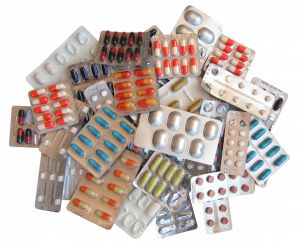
The majority of pyelonephritis is caused by bacteria that come from the urethra and bladder. This phenomenon is called the ascendant (rising or rising) kidney infection. It is very common among women which have a shorter urethra, making the bacteria more easily and quickly spread to the kidney. Women  have about 4 times more urinary tract infections.
Restoring the urine in the opposite direction, ie. back, is called reflux and can be caused by anatomical abnormalities or obstructions. In the first case, instead of a hard cap between the bladder and urethra, there is a wide opening. During voiding the bladder contracts and urine instead of forward flow in both directions. Vesicoureteral reflux is detected by special examination techniques and very difficult to treat this disorder.

Obstructions that cause reflux in women, usually in the form of narrowing of the urethra due to frequent infections.
In younger people such strictures occur rarely and usually are the result of sexually transmitted infections, especially hlamidijskog urethritis. In older people, the problems usually produces enlargement of the prostate. Reflux can be caused by the insertion of catheters or instruments, especially when performing cystoscopy.


Separate Preble with urinary infections have impaired the act of urination (paraplegia) and chronic patients with permanent disbursed cateter. Kidney and urinary tract infections are also common in pregnant women because of the pressure of the uterus, which changes the motility of the ureter due to the effects of pregnancy hormones (progesterone).

Symptoms of kidney infections

Symptoms of pyelonephritis are usually in the form of a sharp burning sensation when urinating, difficult, painful, frequent urination, with the appearance of fever, chills and pain in the area of ​​the cross (lumbar region). You appear malaise, muscle pain, joint pain and sometimes vomiting.Sometimes the symptoms are classic and there is no interference with urination, and sometimes suspected disease in the abdomen in the form of appendicitis and the like.

In children, the disease may have atypical clinical picture, where the high temperatures occurring altered mental status, impaired consciousness, including febrile convulsions. In acute infections, the symptoms develop quickly, first observed high temperature, after which usualy discoloration of urine, and pain and brittle. As infection progresses, there are also symptoms of general intoxication, loss of appetite, headache, and all signs of general intoxication of the organism. Sometimes a urinary tract infection can turn into severe sepsis, which is called sepsis.

Patients with chronic pyelonephritis may have an acute exacerbation, sometimes there are no symptoms, or symptoms may be very mild and go unnoticed. This seemingly harmless situation can be very dangerous, because the inflammation goes unnoticed and permanently damage kidney function.The first indication of deterioration of renal function may be anemia and high blood pressure.

The diagnosis of kidney inflammation
The diagnosis of pyelonephritis is made based on symptoms, physical examination, laboratory tests of blood and urine, urine culture, abdominal ultrasound, and if there is suspicion of reflux then do additional x-rays.

Treatment of kidney inflammation

When you isolate the cause of antibiotic therapy is indicated. When the cause is not identified using the broad-spectrum antibiotics. The urine usually becomes sterile within 48-72 hours after initiation of therapy, treatment should be carried out to the end. Commonly used prolonged antibiotic therapy (21 days), and again repeated urine.

In severe forms of pyelonephritis, which are accompanied by acute worsening of renal function and sepsis, required hospital treatment. Patients with reflux is the most common surgical treatment is indicated.

Patients who are at high risk of re-infection of the urinary tract and kidneys, as well as those with prolonged use of Foley catheter, requiring long-term therapy.

What should you ask a doctor d on kidney infections?

What is the cause of infection and inflammation?
Is there an anatomical defect, obstruction or hindrance?
Can the defect be corrected?
Is it necessary to use antibiotics?
What can be done to reduce the progression of the infection?
Is surgery is one of the treatment options?
Is there a risk of eventual kidney failure?

Remember that prevention is the best medicine.
In most cases, inflammation of the kidneys can be prevented by timely detection and proper treatment of long-term lower urinary tract infections.
Urinary tract infections, especially recurrent, not a harmless condition and carry a high risk of kidney damage.
Never forget that in spite of highly effective antibiotic that has a current medicine, uvea tea does the most good your urinary tract. 

Friday, August 30, 2013

Blood in the urine

Blood in the urine can be a symptom of serious illness. Blood in the urine tah you can see with the naked eye is called makrohematuria, while the presence of blood visible under the microscope is microhematuria.
Blood in urine that can be seen with the eye  is usually preceded by the presence of stones in the urinary system, it may be a sign of infection, especially when accompanied by painful urination and fever. Blood in the urine can be a sign of renal tuberculosis. Dark, coagulated blood in the urine, the presence of fresh blood may be a sign of cancer urinary tract (kidney, ureter, bladder, urethra). Blood in the urine with stormy symptoms, such as pain, fever, shivering usually speak in favor of inflammation, and blood in the urine often without pain is a sign of malignancy.


Blood in the urine is a serious symptom that does not go by itself. If you notice blood in your urine then call your doctor.  Blood in the urine is a serious alarm with patients of all ages!
Our body has the perfect warning mechanisms, allowing us at the right time warns that we must go to the doctor.

When determining the cause of blood in the urine have to be very careful. It is important to analyze the accompanying symptoms.

Sudden appearance of blood in the urine accompanied by burning and frequent urination, usually a sign of  urinary bladder inflammation (cystitis), or inflammation of the prostate (prostatitis). Bladder infections are more common in women, due to the fact that their urethra is shorter than the male. With  tea and optimal antibiotic most symptoms will disappear. Selection of antibiotics is needed to make the microbiological examination of urine (urine). 

The blood at the beginning of the jet of urine usually ukazue the problem comes from the urethra.Blood stream at the end usually indicates a process in the neck of the bladder. 
If blood is visible during the entire bladder, then the process is usually in the wall of the bladder or kidney. IF blood in the urine is not accompanied by other symptoms, THEN there is a high suspicion that the tumor of the change is the cause bleeding.
MUST go urologist.

Prolonged presence of small amounts of red blood cells in the urine routine examination of urine can be a symptom of many diseases: glomerulonephritis, tuberculosis, stones, tumors, metabolic diseases), but also can be an innocuous occurrence of a condition called benign hematuria family (benign familial hematuria).
Changes in the color of urine can cause some ingredients from the food (beet) and certain medications.
Routine urine (biochemical urine), urine culture, serum creatinine and renal ultrasound are routine tests that need to be made. Based on these findings, the doctor will make an assessment of whether there is a need to do intravenous urography, cystoscopy, CT and renal biopsy.
Fear is normal for a person in their urine before the blood. Try to beat the fear, and do not always think about the worst outcome!